
Women in the energy and research sectors : inspiring testimonies
Dr Kinnaleth Vongchanh, Dr Reaksmey, Srey Ny Srun et Dr Pichmony Ek : Geres gathered testimonies from four women working in science and/or energy in Cambodia. Their stories shed light on both progress made and obstacles that remain.
Promoting gender equality in science and energy is a strategic priority for Geres. In Cambodia, this commitment is carried forward through the CapCEE – Building Cambodia’s Energy Efficiency Capacity project, implemented with the Institute of Technology of Cambodia (ITC) in collaboration with the Ministry of Mine and Energy and funded by the Liechtenstein Development Service (LED). While women’s access to STEM (Science, Technology, Engineering, and Mathematics) education has improved over the years, deep-rooted gender stereotypes and structural barriers still limit their presence in energy-related careers.
Breaking stereotypes “This job is not for women”
Despite their qualifications, women are still often discouraged from entering technical fields. As Dr. Kinnaleth Vongchanh, Lecturer-Researcher at ITC, points out:
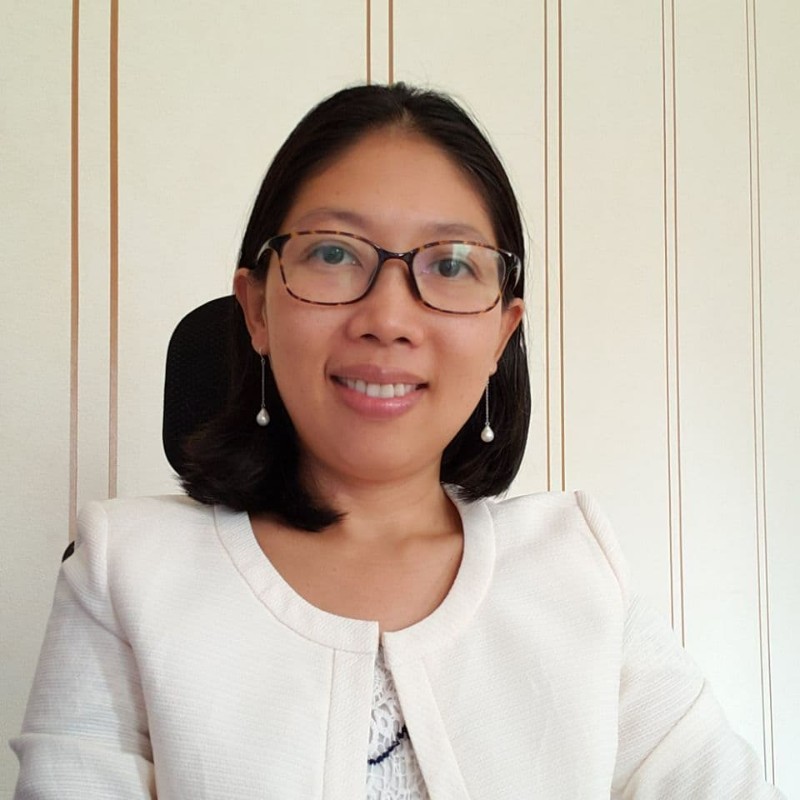
« The fight against gender stereotypes is not only a women’s issue — it’s a men’s issue too. We should all stop labeling jobs as “for men” or “for women.” »
She highlights how engineering is still widely perceived as physically demanding and unsuitable for women, even though many technical roles involve research, design or analysis rather than physical labor.
Scholarship, a gateway to opportunity
For many women, access to higher education has been a decisive turning point. Dr. Reaksmey, Deputy Director of the Research and Innovation Center at ITC, underlines the role of scholarships and institutional support:
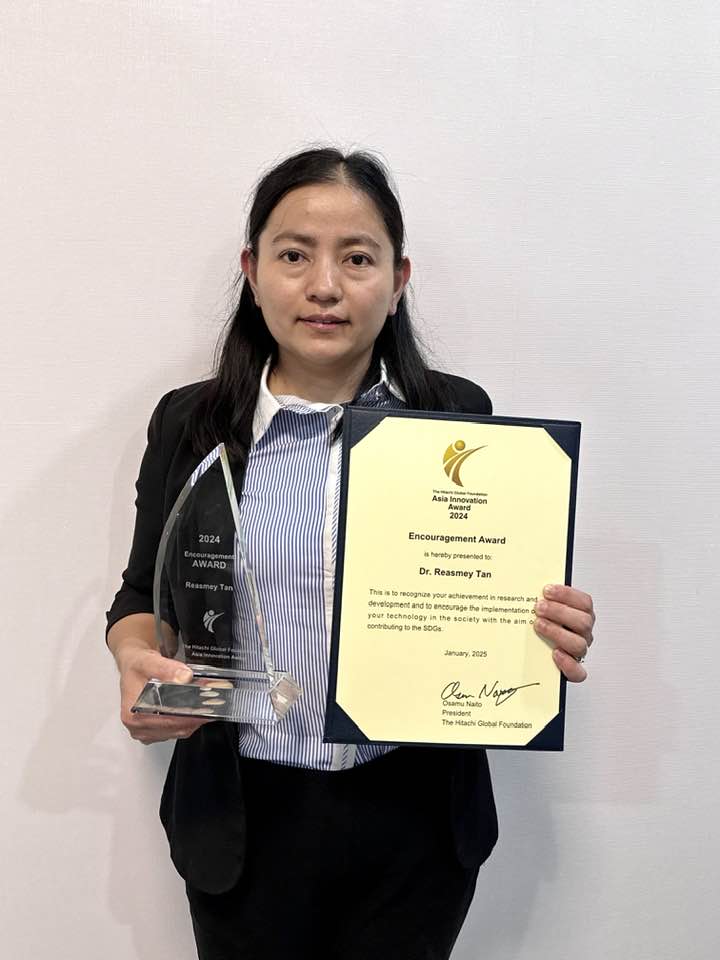
« Scholarships and monthly allowances played a crucial role in supporting my education, especially since my parents only supported me financially up to the bachelor’s level. I could never have imagined becoming a woman scientist without a scholarship.
[…]
Promoting science education more actively could help attract more women to these fields. »
Her journey illustrates how financial support and safe learning environments can enable young women — especially those from rural areas — to pursue scientific careers.
Finding one’s place in the energy sector
Entering the workforce remains challenging. Srey Ny Srun, Energy Efficiency Engineer at Geres Cambodia, recalls the gendered prejudices she faced early in her career:
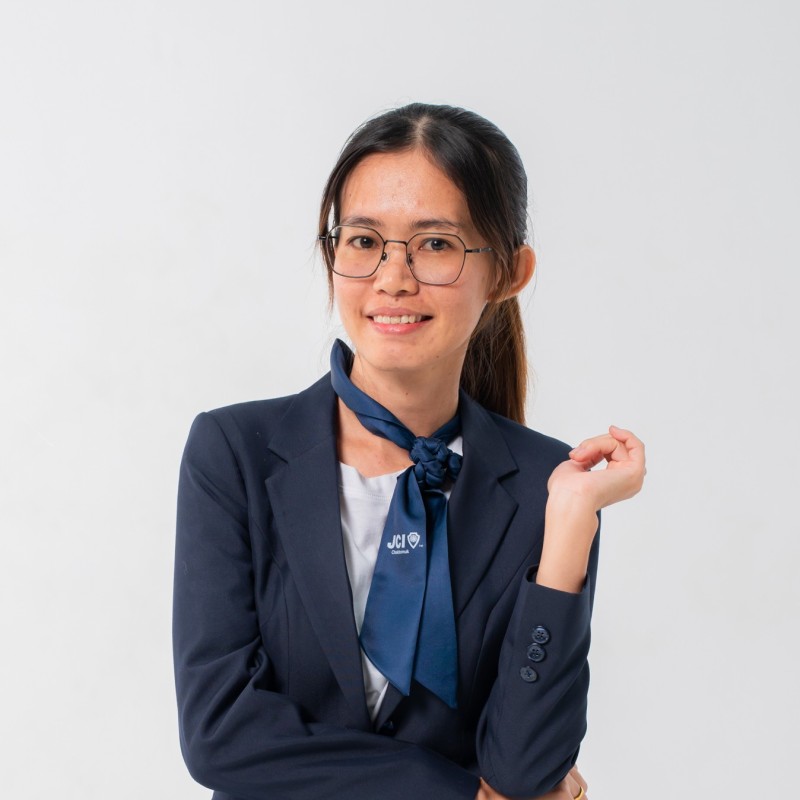
« In the private sector – as well as more generally in Cambodia – a lot of people think women’s responsibilities in relation to electrical practice are to support the men to perform the maintenance work… As a consequence, I was requested to carry tools, encode measured data, report, etc. My responsibilities were limited to those support tasks and I was not given the opportunity to perform my real job assignment. Since I was young, I did not dare to ask to do more but I was not happy with the limited roles and responsibilities I was given.
[…]
I believe that women can do a lot of things in energy fields: energy consultant, renewable energy engineer, and more. By continuously building our skills and seizing opportunities, we can challenge stereotypes, break barriers, and lead the way toward a more sustainable and inclusive energy future.»
Her experience shows how inclusive work environments can help women build confidence, gain hands-on experience and fully apply their technical skills.
Balancing careers and family responsibilities
Beyond education and employment, family responsibilities and expectations continue to weigh heavily on women’s careers. Dr. Pichmony Ek, Food Scientist and Lecturer at ITC, stresses the importance of institutional solutions:

« Hence the importance of raising awareness on the additional challenges of women who need to work: our mindset is such as when we have family we think a lot about our family, some relatives would say: “You work a lot, you need to spend time with your family”, then we feel guilty. It is not only the duty of the women to take care of the family but also the men’s duty.
[…]
There is more pressure on women to have kids and raise kids, therefore women sacrifice more, they have to stay back and look after their kids, that’s why more childcare services in the factories, in workplaces would bring meaningful women support. Having to find someone to look for your kids while you are working in factories is hard. There should be more childcare support opportunities as STEM requires a lot of thinking, focus.»
She also emphasizes that lasting change requires greater involvement from men, both at home and in the workplace
Inspiring future generations
Through their experiences, these women offer a glimpse into the realities of working in science and/or energy in Cambodia — the obstacles they face, the choices they make, and the paths they carve. Their journeys reflect both the progress achieved and the conditions still needed for women to fully take their place in the energy sector.
WOULD YOU LIKE TO TAKE ACTION
AND SUPPORT WHAT WE DO?
Tell us who you are and find your means of action.
CITIZENS
Because Climate Solidarity is a challenge we face collectively, Geres gives you the possibility to make a difference.
TAKE ACTION AS A CITIZEN
PRIVATE SECTOR
As a business executive, an employee or a customer, you have the power to take action in your everyday life.
LOCAL AND INSTITUTIONAL ACTORS
Support our actions in France and internationally and become an agent of change at our side.
FOUNDATIONS
By supporting Geres, you contribute to the implementation of innovative and concrete actions.