
Senegal
Context and challenges
A country covering nearly 200,000 km² in northwestern Africa, Senegal has a long coastline on the Atlantic Ocean, and its border with Mauritania and Mali is marked by the river of the same name, an oasis in a semi-desert environment. To the southeast, the border with Guinea is marked by the Fouta-Djalon mountain range, and to the southwest, the country has a lush tropical forest near the border with Guinea-Bissau.
Its 18.9 million inhabitants (mid-2025 estimate) are unevenly distributed across the territory, with a very high density in the metropolis of Dakar, which is home to more than a quarter of Senegal’s population.
An island of democratic stability in Africa, Senegal has a strong civil society and more solid national governance than elsewhere in the sub-region. The country is also a sub-regional hub for economic, industrial, cultural, and migratory activities.
The country’s main sources of income are trade, tourism, and remittances from emigrants. At the same time, hydrocarbon exploitation, particularly oil and gas, has been intensifying since 2024, gradually undermining national commitments to reduce greenhouse gas emissions. Industry and construction contribute around 25.4% to GDP value added, while agriculture, which employs nearly 40% of the population—with a high proportion of women—accounts for around 15.5% of this value added.
In this dry Sahelian country, climate risk is one of the main factors aggravating the vulnerability of populations, which is why Senegal is proactive in defining its nationally determined contributions (NDCs), with ambitious mitigation targets.
Inequalities in access to energy and heavy dependence on wood for cooking
Bolstered by sustainable economic growth, Senegal has one of the highest electrification rates in West Africa, with the ambition of achieving universal access by 2029. However, this positive national score masks significant disparities (97.1% in urban areas compared to 64.5% in rural areas).
For many years, Senegal has been committed to a large-scale policy of electrification and renewable energy development, setting ambitious targets for 2030. Indeed, the public authorities want to increase the contribution of renewable energies to the national energy balance to 23%, serve 26% of the rural population not connected to the grid, and also achieve 96% of charcoal produced sustainably, using efficient carbonization technologies.
New initiatives are being taken on the issue of electrical and electronic waste, an increasingly emerging topic of action in the country.
Cooking is mostly unclean, dominated by firewood (45.2%) and charcoal (18.7%). As in most African countries, wood, including charcoal, is the primary cooking fuel, but consumption, which is growing and exceeds availability, contributes to deforestation and desertification, particularly in the north and center of the country, with net carbon emissions on the rise (although the country, with less than 1 ton of CO2 equivalent per capita per year, remains a minor contributor to global climate change).
Senegal is positioning itself as a leader in the sub-region on the issue of climate change adaptation in housing and construction. More and more buildings are being constructed using bioclimatic techniques, but also with local bio-based materials (earth, cattail, etc.), using both traditional and innovative techniques.
Numerous industrial, architectural, engineering, and socio-economic initiatives have also emerged over the past 20 years to combat heat in housing. Specialists are innovating with low-tech and inexpensive techniques, making Senegal a pioneer in construction and improving the comfort of its inhabitants. The scaling up of the proposed solutions is still under development and has not yet been implemented.
Geres in Senegal
Geres has been working in Senegal since 2012 as part of a territorial approach, in partnership with private and public actors, particularly in the north and east of the country.
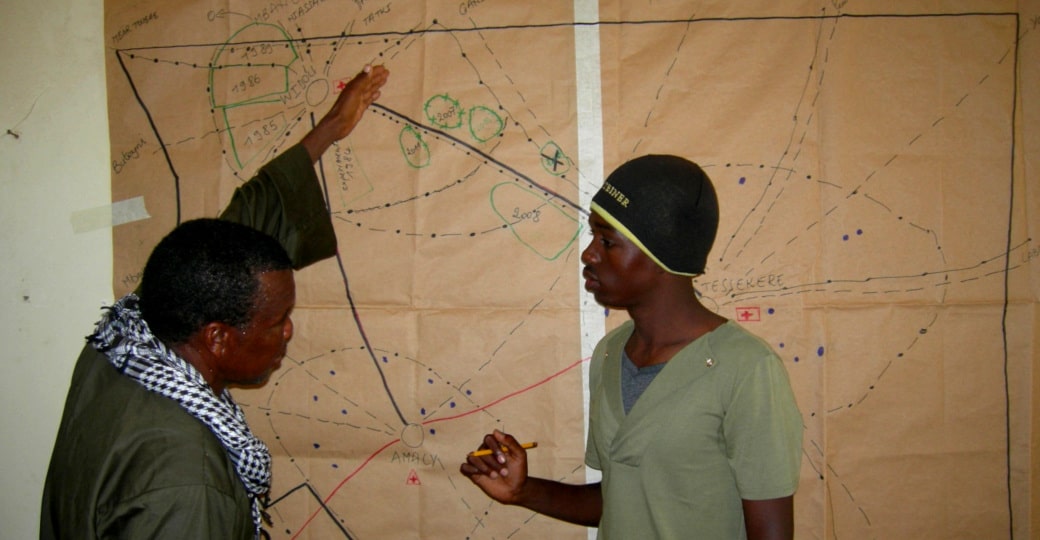
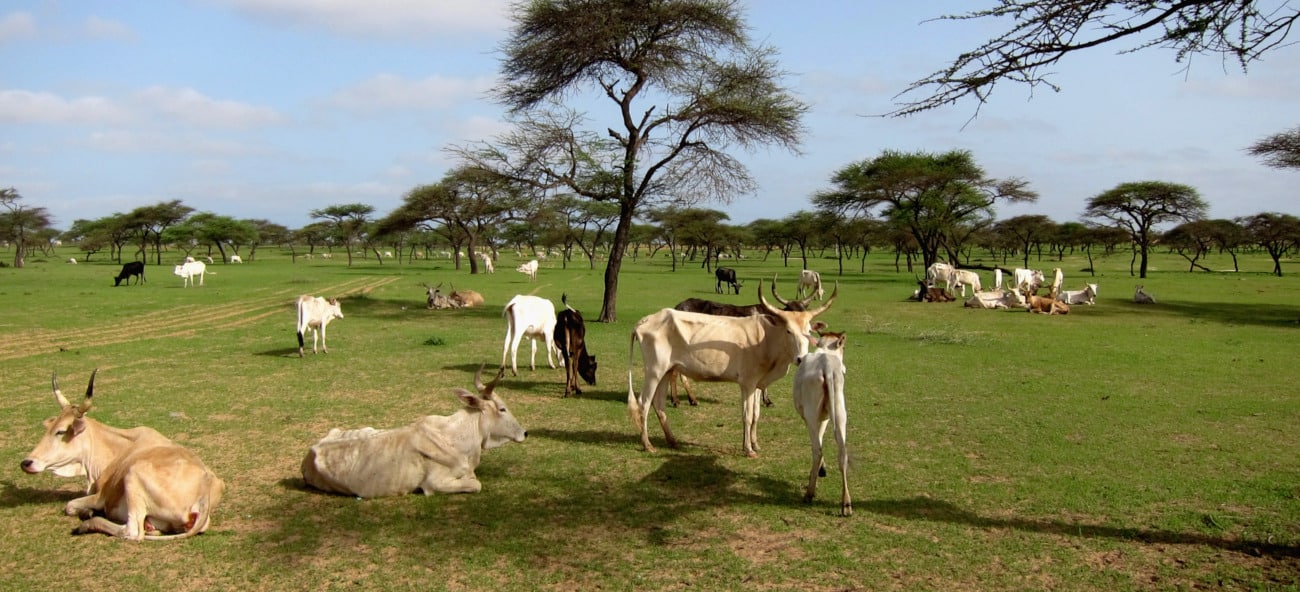
In 2012, the Climate-Territory – Adaptation to Climate Change in the Ferlo Sylvo-Pastoral Zone (ClimTERR) project aimed to better identify climate risks and understand how to integrate them into territorial management. It led to the production of a toolkit for territorial agents in charge of the territorial climate plan. This action was part of the concerted management approach for the sylvo-pastoral zone led by the Ferlo Interregional Agreement.
In 2015, the territorial energy diagnosis method developed by Geres was applied to a limited area of Ferlo, the departments of Linguère and Ranérou-Ferlo.
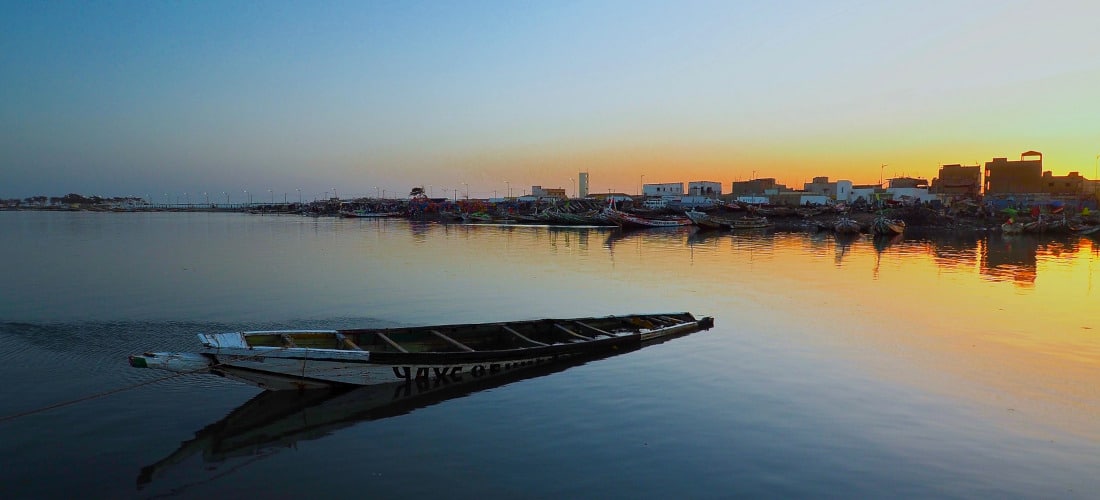
Since 2017, Geres has been providing technical and methodological support to the Saint Louis Region Energy Access Program (PAER), led by the NGO Le Partenariat and the St Louis Regional Development Agency (ARD). The first phase (2017-2020) focused on developing a regional energy assessment and setting up two energy platforms based on Geres’ ZAE model, which will receive support for their low-carbon entrepreneurial development in phase 2 (2020-2026).
Finally, since October 2024 and the Dakar World Forum “One Sustainable Health By All” organized by the OSH Foundation, Senegal has been one of the world’s leading countries in the “3 Healths” approach. In this context, Geres is participating in the exchange of expertise within the framework of this multi-sector forum and is currently designing One Health projects in consortia in the sub-region.
Geres projects in Senegal
Geres news in Senegal
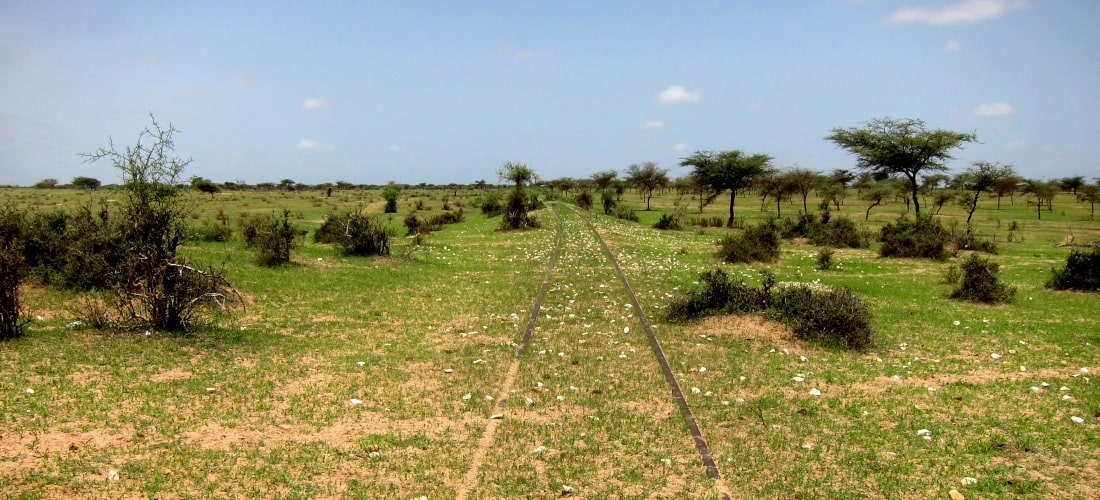
Geres and its partners take up the challenge of energy access in Senegal
Within the framework of the PAER Energy Access Programme in Saint Louis region, northern Senegal, the NGO Partenariat Saint Louis, the ...
WOULD YOU LIKE TO TAKE ACTION
AND SUPPORT WHAT WE DO?
Tell us who you are and find your means of action.