
Benin
Context and challenges
A small country in West Africa, Benin is located in the Gulf of Guinea, bordering Niger and with a coastline that is vital for trade. Recognized as a model of democratic stability in the sub-region, Benin has positioned its port of Cotonou as a key import hub for neighboring countries.
Its 14 million inhabitants are mainly located in the south, on the coastal area around the economic capital of Cotonou, but also towards Porto-Novo. Agriculture contributes around 25% of GDP and employs nearly half of the working population.
The country is crossed by the Ouémé River, which is essential for agriculture and ecosystems in the south. Benin has a potential 4.8 million hectares of arable land, of which only 1 million hectares are cultivated annually. Seventy percent of cultivated land is used for major crops, including cotton, cashews, palm oil, pineapple, corn, sorghum, cassava, peanuts, yams, cowpeas, and rice.
The climate is predominantly tropical : flooding (especially in the south), coastal erosion, droughts in the north, and land degradation are the main factors contributing to the vulnerability of the population. Aware of these aggravating factors, the country is strongly committed to the ecological transition of the territory, the development of renewable energies, and the strengthening of food security.
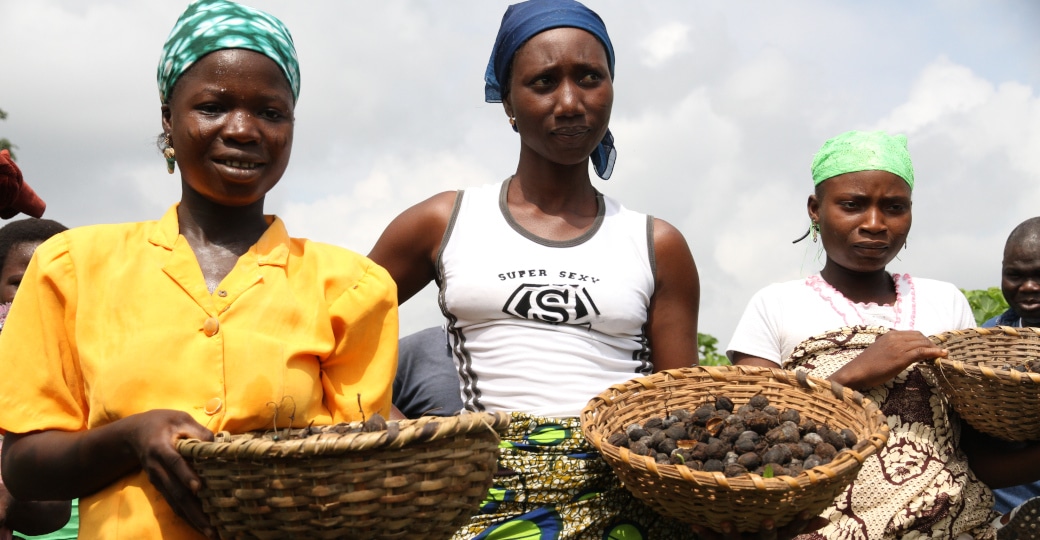
An energetic situation similar to other West African countries, but with proven entrepreneurial and ecological momentum
As in most West African countries, access to energy is characterized by wide disparities in electrification rates and heavy dependence on biomass for cooking.
Benin has embarked on an ambitious policy for electrification (notably through the Beninese Agency for Rural Electrification and Energy Management – ABERME) and the development of renewable energies. The national access rate is constantly improving (currently close to 60%), but masks huge disparities (around 90% in urban areas compared to less than 30% in rural areas). The country is aiming for universal access by 2030.
Cooking is mainly dominated by firewood (around 60% of cooking energy) and charcoal (around 30% in urban areas). These inefficient techniques are also harmful to users and their families.
As a result, the country faces several major challenges, amplified by rapid population growth: reducing biomass energy consumption, developing sustainable housing, promoting good energy practices among residents, and improving waste management, particularly for electronic waste. In light of these challenges, structuring these sectors is essential to ensure their viability and efficiency, particularly through the establishment of regulatory frameworks, training, and public-private partnerships.
Furthermore, adopting the One Health approach, which links human, animal, and environmental health, is crucial. It allows these challenges to be addressed in an integrated manner, promoting collaboration between local and international actors to find sustainable solutions adapted to the realities on the ground.
Geres in Benin
Present in Benin since 2001, Geres works mainly in the south-central part of the country on issues related to energy access for rural populations and biomass energy, as well as in the coastal region.
Between 2001 and 2016, Geres carried out three flagship projects from its Bohicon office (Zou Department):
- The ALTERRE Benin project, aimed at providing access to energy in rural areas, particularly for productive activities (crafts, agri-food, services), relying in particular on the extraction of jatropha oil produced and used locally. This renewable energy source can be used to power village engines as a substitute for diesel fuel, or to power hybrid rural electrification plants.
- The PARIER (Agri-food production and strengthening of local initiatives in Benin) and SETUP (Energy and Technical Services for Productive Uses) projects have consolidated Geres’ action in favor of rural development by supporting rural entrepreneurs in the agri-food sector in the mechanization of their production. This strengthening of equipment is a means of mobilizing, structuring, and energizing actors in promising agricultural sectors and making them more professional. The peanut sector in particular has given rise to an original initiative to promote local oil from the Agonli region, which the project is particularly keen to promote. The small craft sector is supported by solar electrification.
Since 2014, Geres has been working closely with the Groupement Intercommunal des Collines, providing expertise on integrating climate change into regional policies through an initial action research project called Territoires Collines 2040. This was followed by the implementation of the CEMAATERR program, which aimed to strengthen the capacities of local actors in the Collines department to develop and implement climate and energy strategies (mitigation and adaptation) and support the energy transition in rural areas by promoting energy efficiency (improved stoves) and sustainable forest resource management.

Since 2023, four new projects have emerged in Benin:
- The Access to Energy and Energy Efficiency (A3E) project promotes low-carbon development in rural areas of Togo and Benin by improving access to energy for productive uses. It deploys solar solutions, such as mini-grids and kits, to power very small enterprises (VSEs) and artisans. In addition, it supports women’s agri-food processing groups in the cassava sector by promoting the adoption of clean and efficient improved stoves, thereby supporting both economic activity and energy transition.
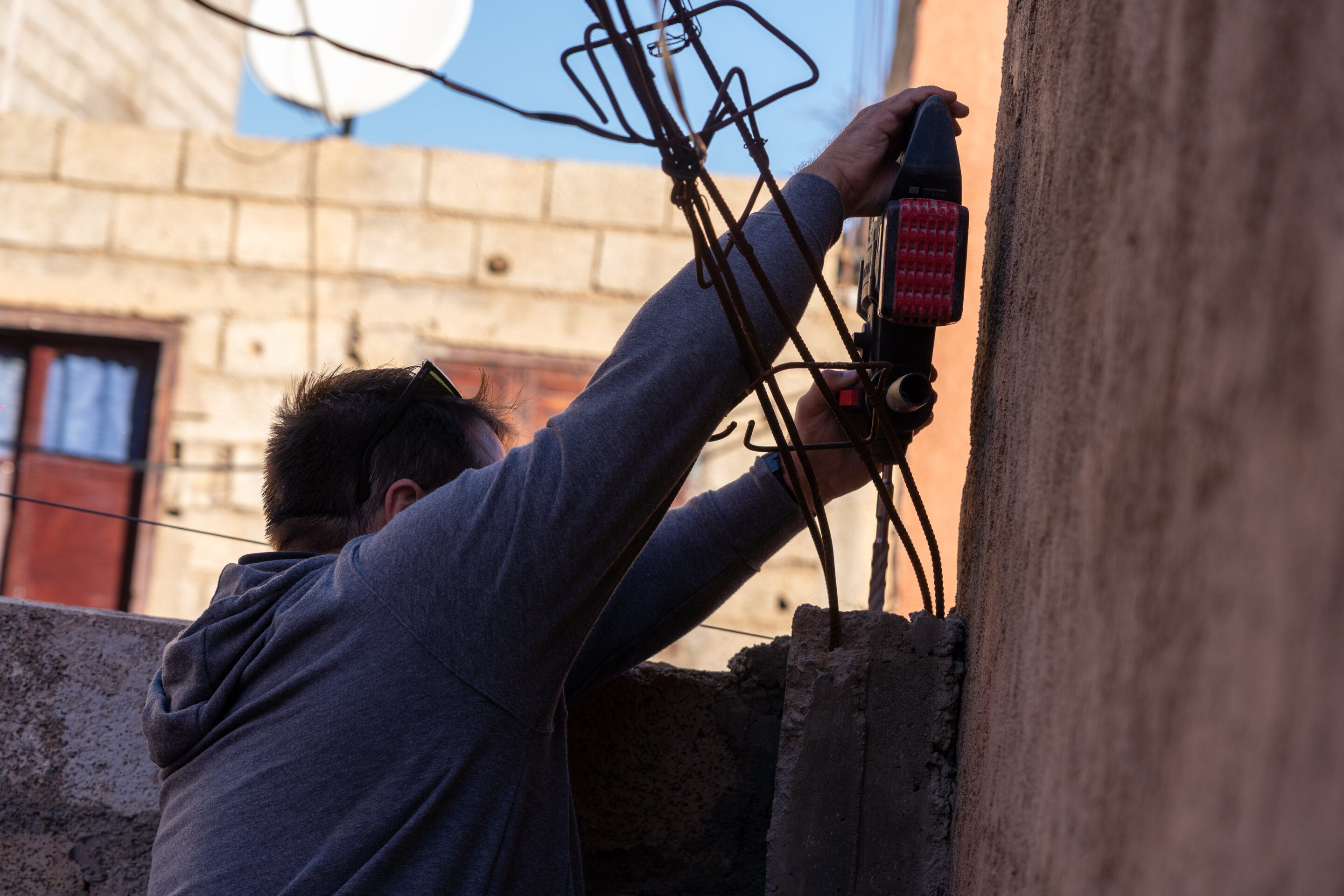
- The FRESH project—Adapting Housing to Climate Change and Improving Energy Efficiency—aims to improve the energy performance and thermal comfort of housing, particularly in urban contexts. It promotes the implementation of energy renovations and concrete solutions for adapting buildings to climate change. In doing so, FRESH works to mobilize and strengthen local building sectors to develop and use more sustainable and resilient construction techniques and materials.
- Led by an international consortium spanning three continents, the FAME (Feminisms in Action and Mobilization for an Inclusive Economy) project aims to strengthen feminist organizations and support women’s economic empowerment, with a view to promoting inclusive economic and ecological transition. The project provides direct financial support (sub-grants) and technical capacity building to local civil society organizations, with a particular focus on improving women’s access to entrepreneurship and financing.
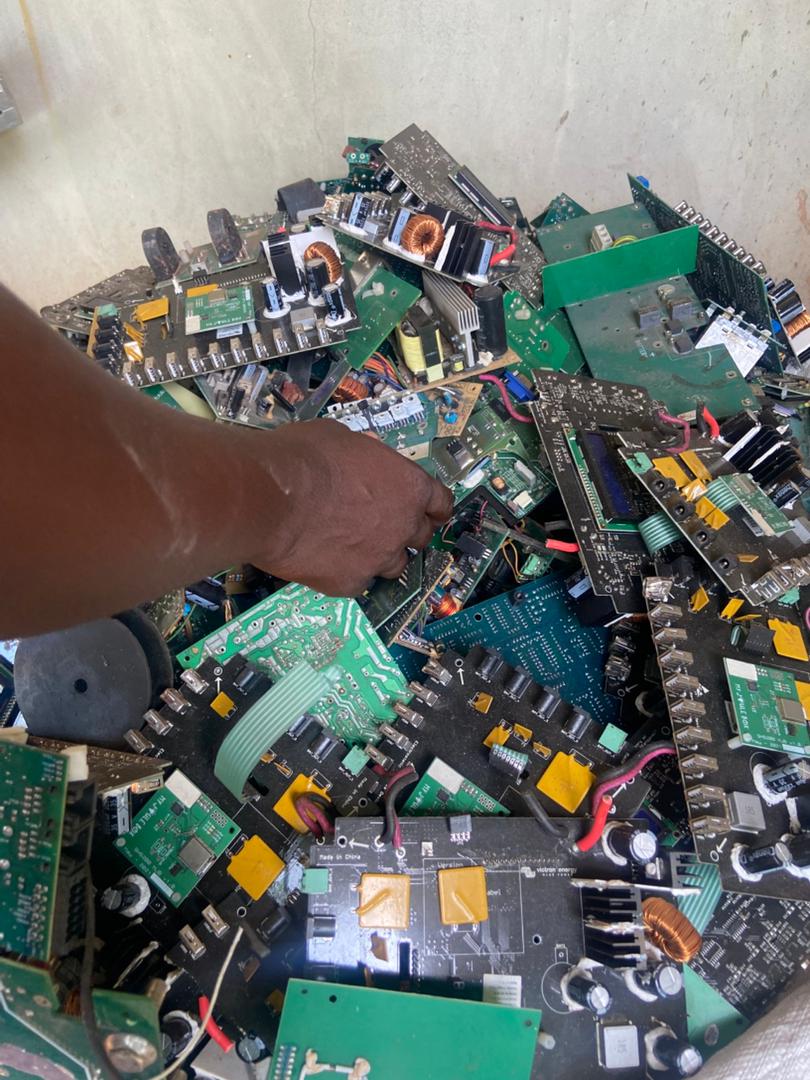
- The 3R project (Recycle, Reuse, Reduce) aims to promote the emergence of an electronic and electrical waste (WEEE) treatment sector by mapping all existing actors and studying the technical and economic feasibility of treatment projects from a sustainable perspective, enabling the establishment of a framework for consultation between private, public, and informal actors, and by designing and implementing a technical pilot project for the treatment and recycling of WEEE.
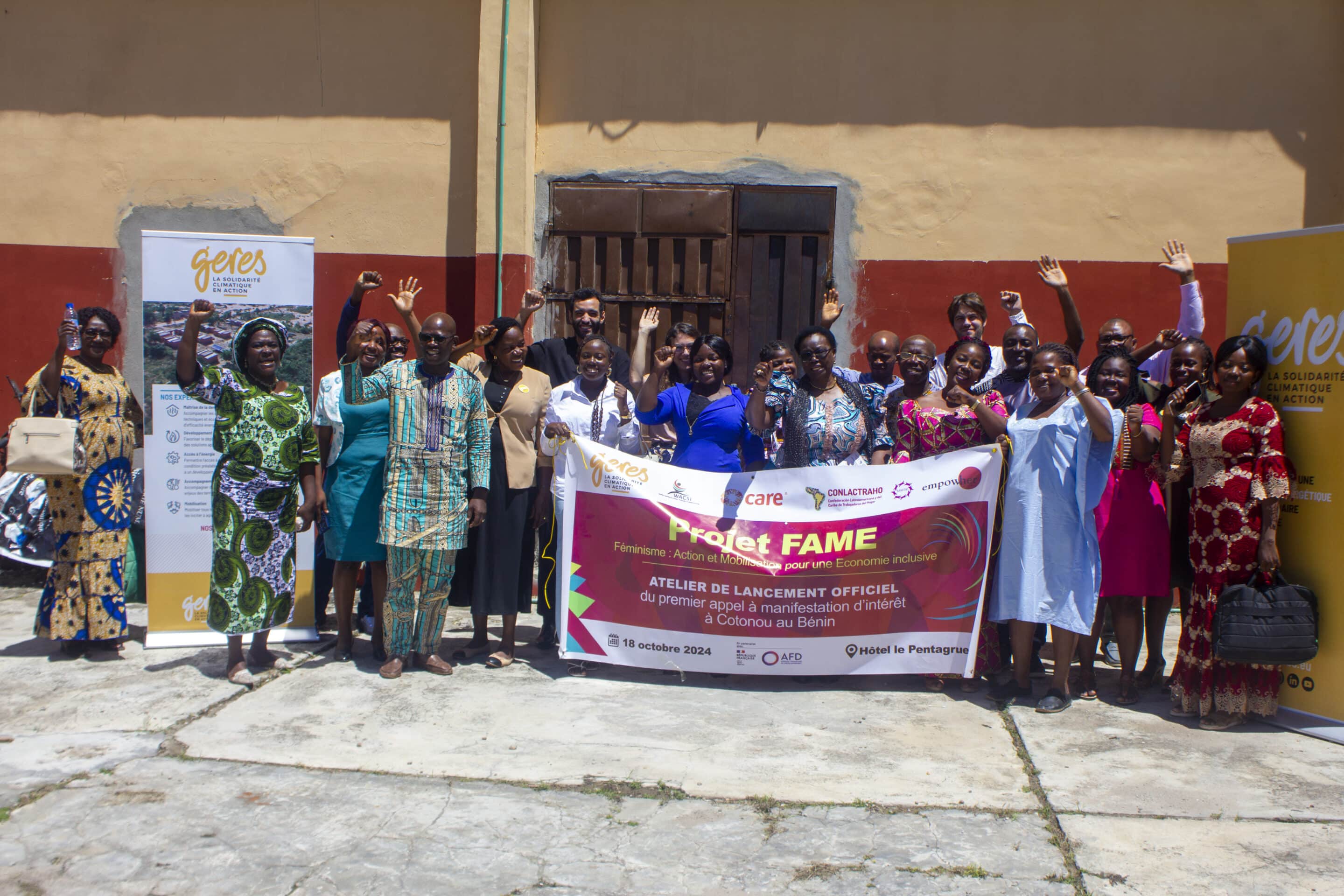
Geres’ projects in Benin
Geres news in Benin
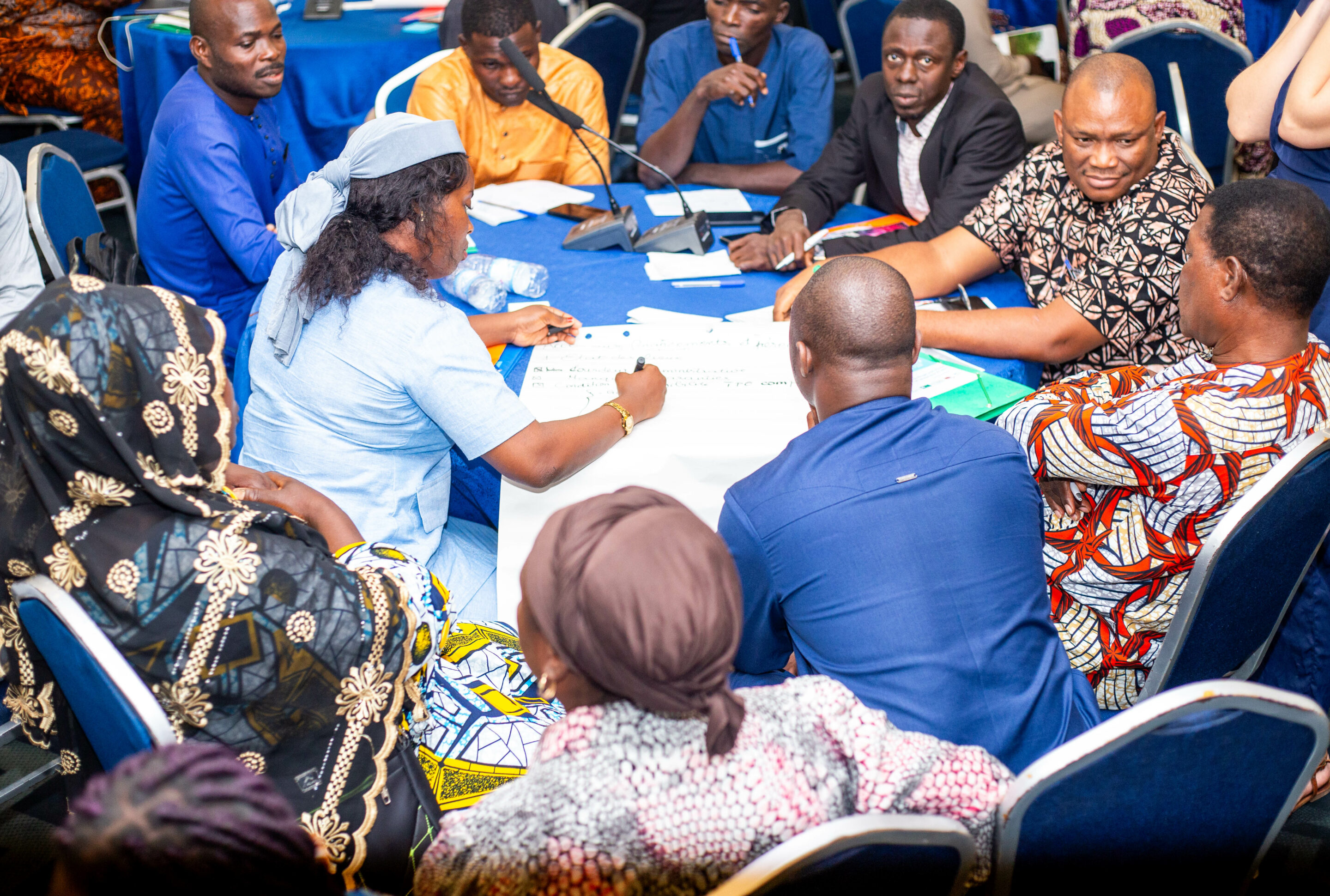
In Benin, the A3E project is entering a new phase to improve access to sustainable energy in rural areas
The A3E project—Access to Energy and Energy Efficiency for Low-Carbon Development in Rural Areas—is reaching a new milestone in ...
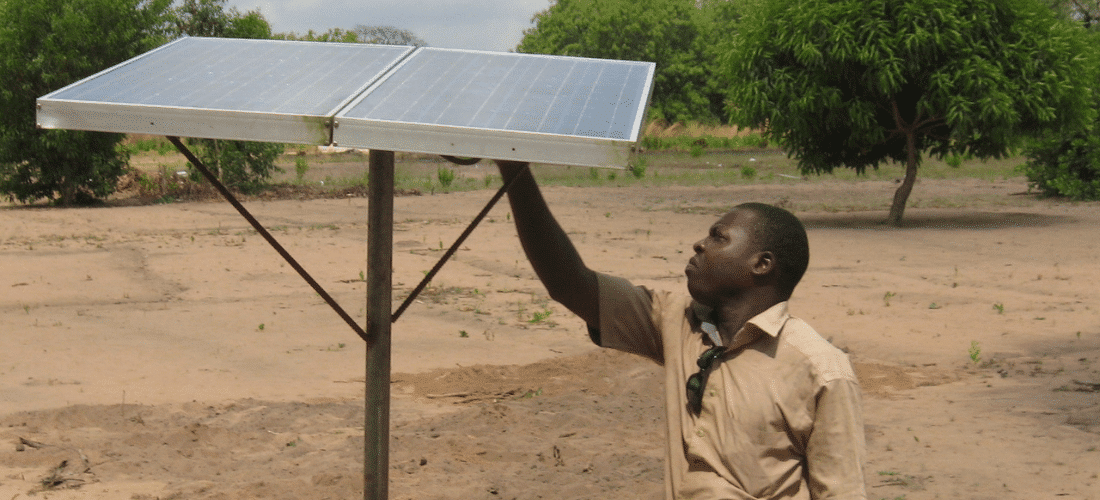
Geres facilitates access to energy and energy efficiency for low-carbon development in Benin
In 2023, a new project is being launched in Benin to enable small local businesses to develop their activities in rural areas through ...
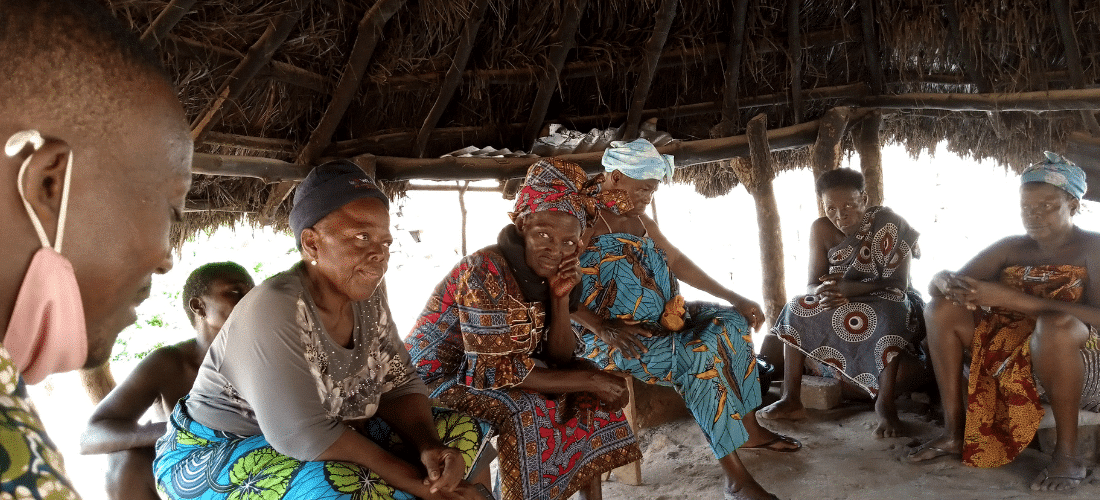
Fulgence Akaffou: “We have already trained 30 groups of women processors to use improved cooking stoves”
In this interview, Fulgence Akaffou, biomass manager at Geres, answers our questions on the importance of rethinking cassava cooking ...
WOULD YOU LIKE TO TAKE ACTION
AND SUPPORT WHAT WE DO?
Tell us who you are and find your means of action.