
Kirghizistan
Context and challenges
Kyrgyzstan is a mountainous country in Central Asia with a continental climate, characterised by very hot summers and particularly harsh winters. Temperatures can fall to -18°C in the valleys and reach -54°C in the most extreme areas. Since gaining independence in 1991, the country has faced major economic challenges: nearly one third of the population lives below the poverty line, mainly in rural areas.
In terms of energy, Kyrgyzstan has significant hydropower potential, which meets a large share of its electricity needs. However, the grid remains weakened by insufficient investment and strong seasonal variations, while residential electricity consumption increased by nearly 25% between 2020 and 2025. At the same time, the country is making greater use of its natural assets through the development of mountain ecotourism and community-led environmental protection initiatives.
Heat and electricity production, together with the residential energy sector, are the country’s main source of greenhouse gas emissions, accounting for more than 70% of national emissions in 2021. In this context, improving the energy performance of buildings is a major challenge to reduce pressure on the electricity grid, limit fuel consumption and improve living conditions, particularly in rural and peri-urban areas.
Poor thermal performance of buildings and energy poverty
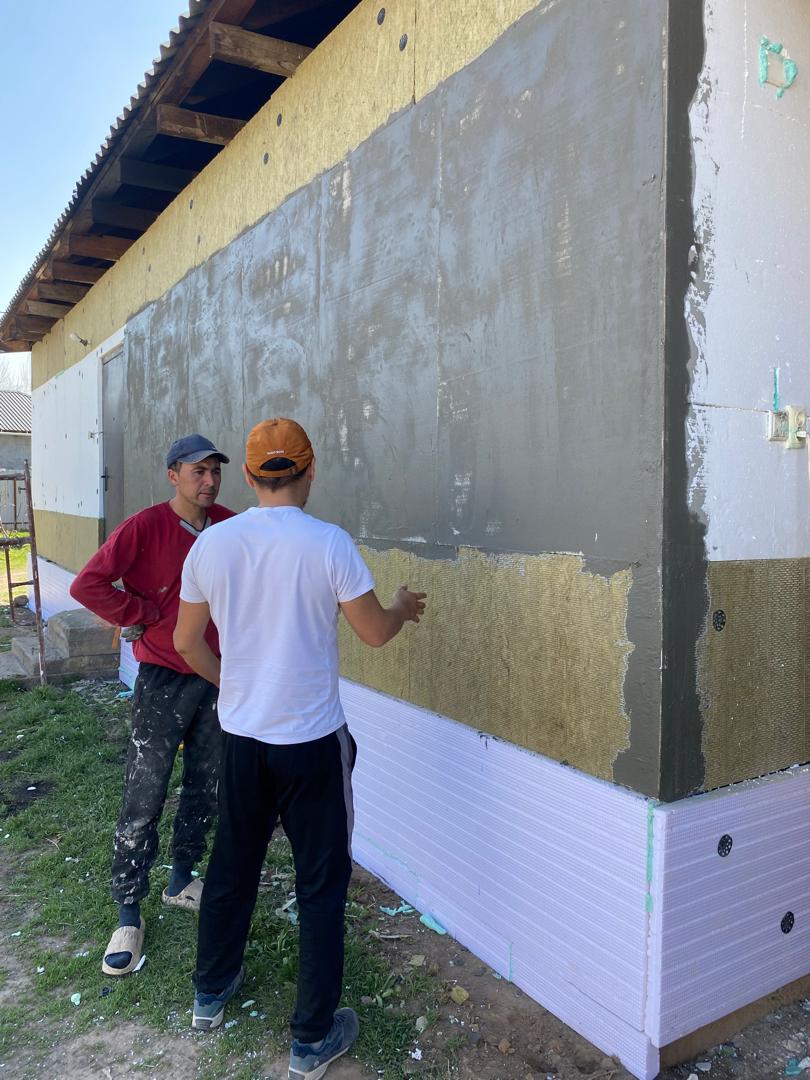
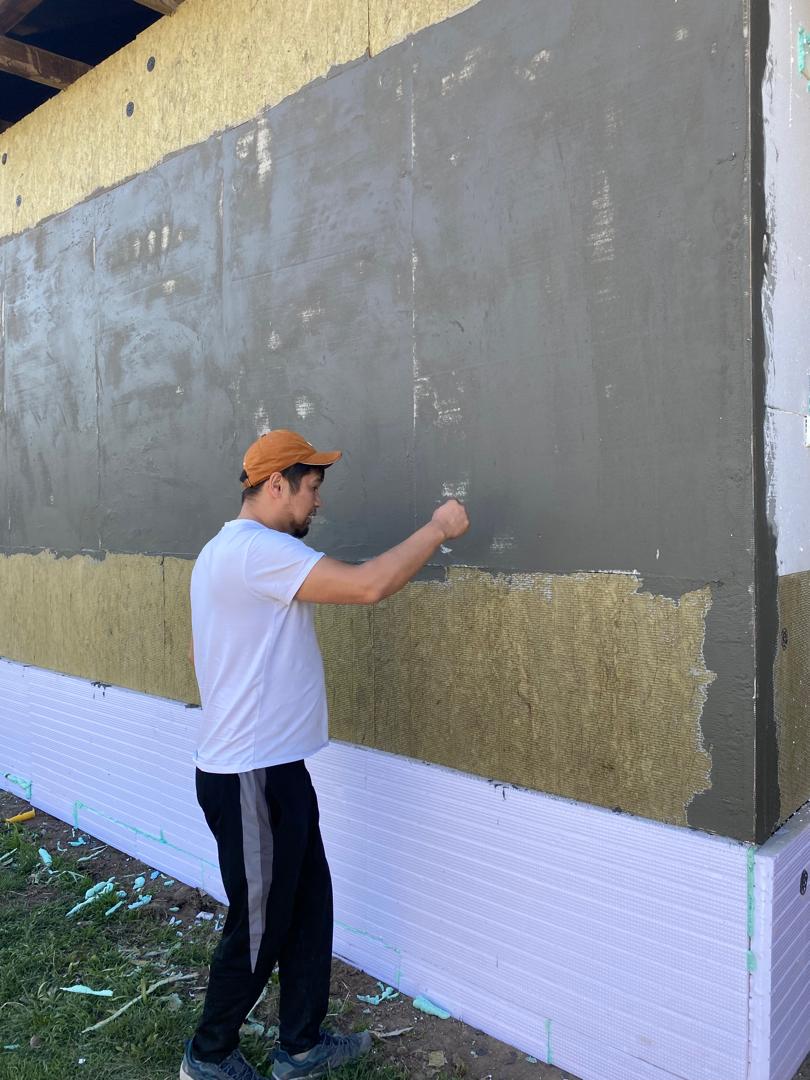
The national housing stock is characterised by poor thermal performance. A survey conducted by CAMP Alatoo among rural and peri-urban households shows that 57% of homes lack wall insulation, 58% lack roof insulation and 60% have uninsulated floors. These heat losses increase energy poverty for many households.
- Dependence and costs: 78% of households rely on coal or wood for heating. In winter, these expenses can account for 30 to 40% of the budget of the poorest households.
- Pollution and health: widespread coal use, combined with heat losses from buildings, contributes to severe air pollution. In winter, outdoor pollution levels can reach 10 to 15 times the WHO safety thresholds in urban areas. Thermal discomfort and both indoor and outdoor air pollution increase the risk of respiratory problems, particularly for the most vulnerable groups.
- Barriers to change: the lack of sufficiently structured quality standards in the market and low energy tariffs continue to limit spontaneous investment in energy efficiency. Access to reliable, affordable solutions adapted to local realities is therefore essential.

Geres in Kyrgyzstan
In Kyrgyzstan, Geres works in partnership with the local NGO CAMP Alatoo to strengthen technical and financial capacities around energy efficiency in housing. Through the Energy Efficiency in Rural Housing and Green Homes Central Asia projects, the aim is to develop and disseminate affordable insulation solutions adapted to mountain, rural and peri-urban areas.
This work builds on Geres’ experience in Central Asia, particularly in Tajikistan, where low-energy housing solutions, thermal insulation and bioclimatic architecture have been tested and disseminated. In Kyrgyzstan, this approach is adapted to local building practices and household needs.
Geres works across the entire value chain: households, craftspeople and construction professionals, material suppliers, financial institutions and public authorities. The aim is to create an enabling environment for more comfortable, energy-efficient and climate-resilient housing.
Our actions
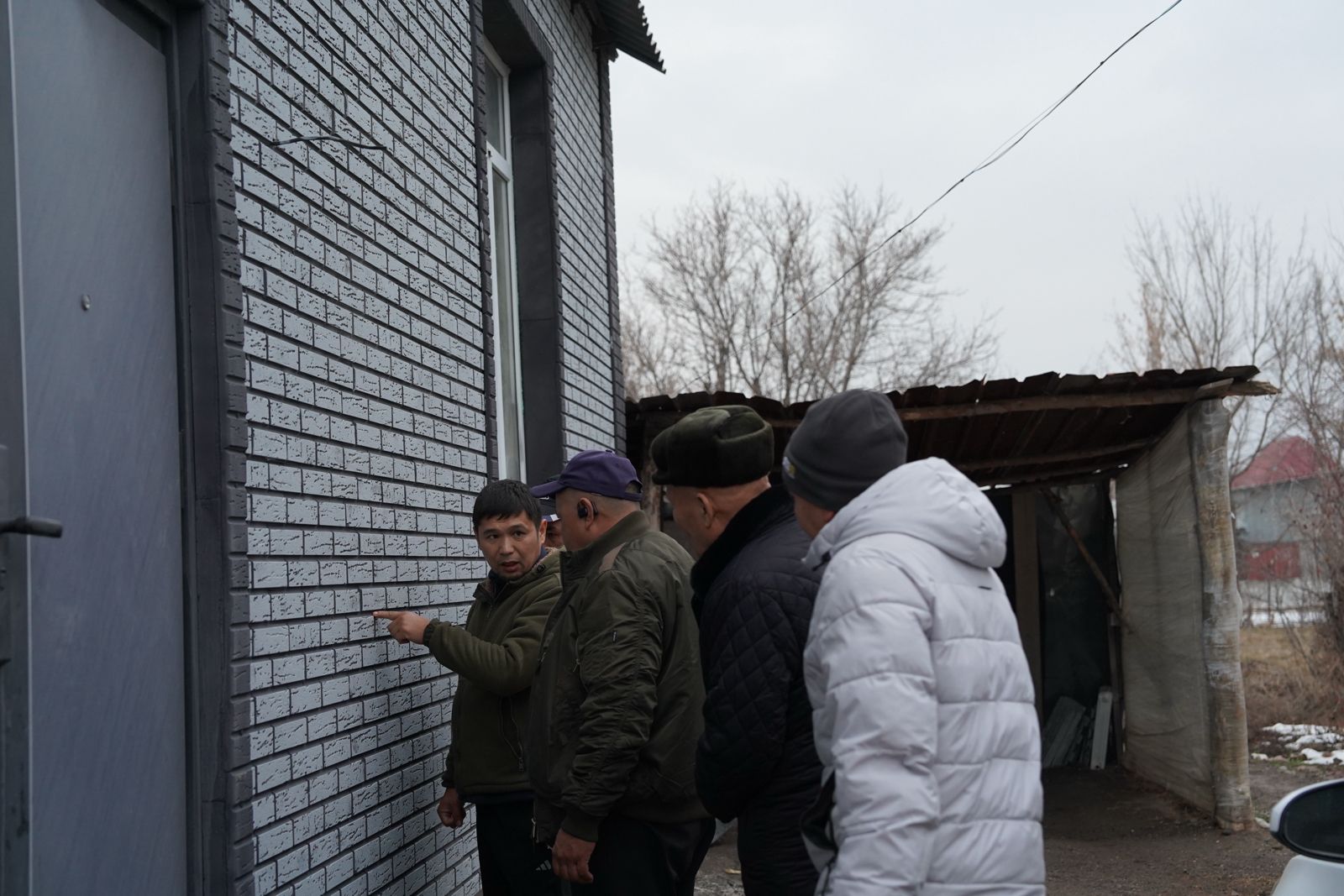
Geres and its partners work on practical solutions, from understanding household needs to structuring a local energy-efficiency value chain.
- Needs assessment and targeting: data collection helps better understand household energy vulnerability, particularly among the poorest households, and adapt the technical solutions proposed: building-envelope insulation, ventilation, windows and efficient stoves.
- Training and capacity building for local craftspeople: Geres and CAMP Alatoo strengthen the skills of construction professionals in energy-efficiency techniques. Training covers roof insulation, internal wall insulation and wooden-floor insulation, as well as ventilation, which is essential to maintain healthy indoor air and prevent humidity and mould in insulated homes. Craftspeople are also supported in choosing materials, understanding their thermal performance and marketing energy-efficiency services to households.
- Development of Low Energy Consumption houses (LEC): building on solutions developed in Tajikistan, Geres and CAMP Alatoo support the rollout of technical models adapted to the Kyrgyz context. Demonstration sites help test and showcase these solutions, while technical catalogues support their dissemination. The objective is to reduce fuel consumption and CO2 emissions by at least 30%.
- Decision-support tools: an energy-savings calculator is being developed to help households and market actors better estimate the potential thermal and financial benefits before undertaking renovation work.
- Support for sustainable value chains: Geres facilitates dialogue between banks, public institutions, material suppliers and craftspeople to improve access to energy-efficiency solutions and sustain a quality local offer.
- Awareness raising and demonstration: rural communities are supported in discovering and adopting practices that improve the energy efficiency and thermal comfort of homes throughout the year.
DOCUMENTS FOR DOWNLOAD
GREEN HOMES CENTRAL ASIA INITIATIVE:
Healthy, Climate-Resilient Homes in Kyrgyzstan
Geres News
New opportunities for unemployed youth in Tajikistan
In october 2021, Geres in collaboration with local NGO’s, launched a series of action to help tackle tajik youth unemployment. Part of ...
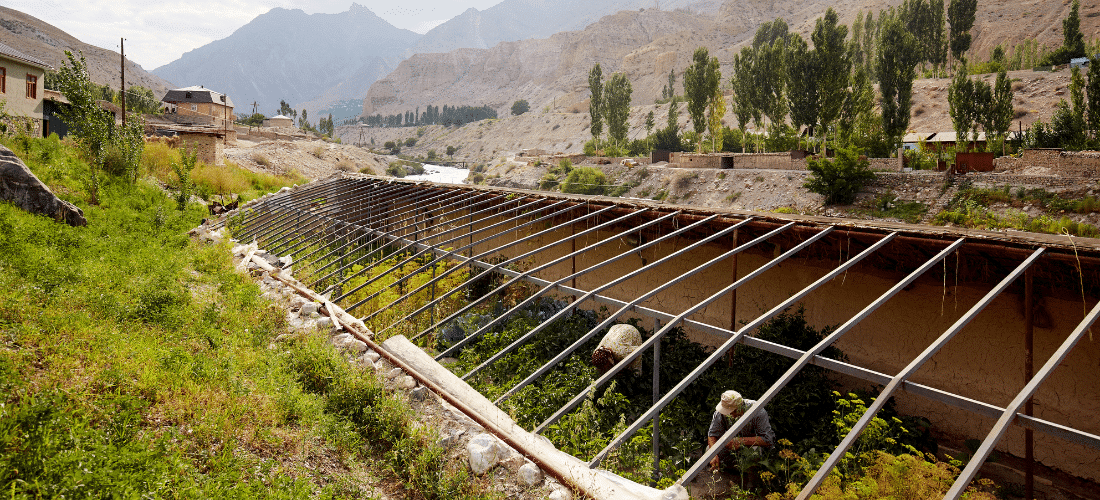
In Tajikistan, Geres is working to ensure greater resilience and better living conditions for rural communities
In the Rasht valley, poverty and climate warming are impacting food production and daily life. Launched in April 2022 and spanning ...
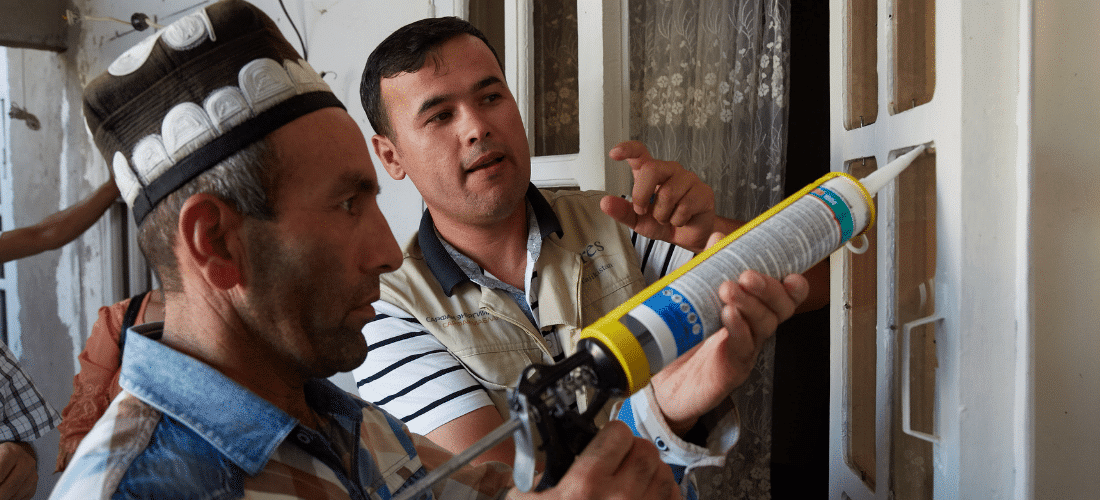
Innovative solutions warm houses up and trigger initiatives in Tajikistan
Testimonials. In 2021, Geres is launching a new project on sustainable energy solutions for Tajik housing. Munisa and her father, ...