
Mali
CONTEXT AND CHALLENGES
Located in the heart of West Africa, Mali is a vast landlocked country covering an area of nearly 1.24 million km². Bordered by seven countries, it stretches from the Saharan regions in the north to the fertile Sudanese zones in the south. The Niger River is the country’s lifeline, crossing the center of the country and enabling agriculture, livestock farming, and fishing. Its lack of direct access to the ocean makes it dependent on its coastal neighbors, such as Côte d’Ivoire, Senegal, and Guinea, for trade.
Its 24.5 million inhabitants (mid-2025 estimate) are unevenly distributed across the country, with a very high density in the south and along the river, particularly around the capital Bamako, which is home to a growing proportion of the population.
The main sources of income are subsistence agriculture, livestock farming, gold (the country’s leading export), and cross-border trade. The informal sector is the main source of employment, particularly for women. Agriculture and livestock farming contribute around 40% of GDP and provide a livelihood for the vast majority of rural inhabitants.
In addition, the rural economy is particularly dependent on climate change, and the intensification of climate disturbances (drought, flooding, land degradation) has a direct impact on the country’s socio-economic situation, further increasing the vulnerability of its inhabitants.
Historically renowned for its cultural wealth, Mali has also faced major security and political challenges since the early 2010s, which have hampered governance and economic development. However, Mali is committed to a policy of climate action and the promotion of renewable energies, notably through its Strategy for Accelerated Growth and Sustainable Development (SCADD) and its Nationally Determined Contributions (NDCs).
Persistent energy insecurity and the need for greater international solidarity
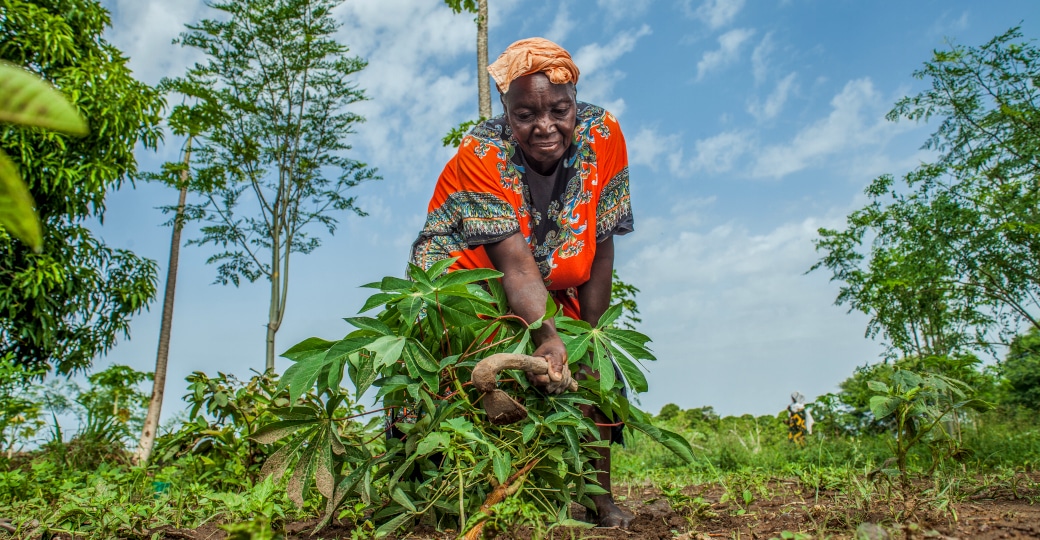
Access to energy is characterized by wide disparities in electrification rates and an overwhelming dependence on wood biomass for cooking.
Mali has made efforts to promote electrification (notably through the Malian Agency for Domestic Energy Development and Rural Electrification – AMADER), with the aim of achieving universal access to electricity by 2030. However, the national access rate remains low (40%), currently weakened by the deteriorating security situation, and masks huge disparities (around 70% in urban areas compared to less than 15% in rural areas).
Cooking is mainly based on so-called non-clean techniques, dominated by firewood (around 80% of cooking energy) and charcoal (around 15% in cities). Biomass energy consumption far exceeds forest regeneration capacity, thus contributing massively to deforestation and desertification in the center and north of the country.
This situation makes access to wood increasingly difficult and costly for households and institutions (canteens, restaurants), exacerbated by security of supply issues. It is therefore necessary for the country to structure the production and promotion of efficient and clean cooking solutions.
In terms of waste management (particularly WEEE), carbon recovery mechanisms, and sustainable housing, Mali lags behind its neighbors. However, carbon certification initiatives are emerging in the country, while traditional construction techniques, such as Nubian vaults and banco, remain popular in rural areas. These techniques contribute to the sustainability of housing that is better adapted to the challenges of climate change.
GERES IN MALI
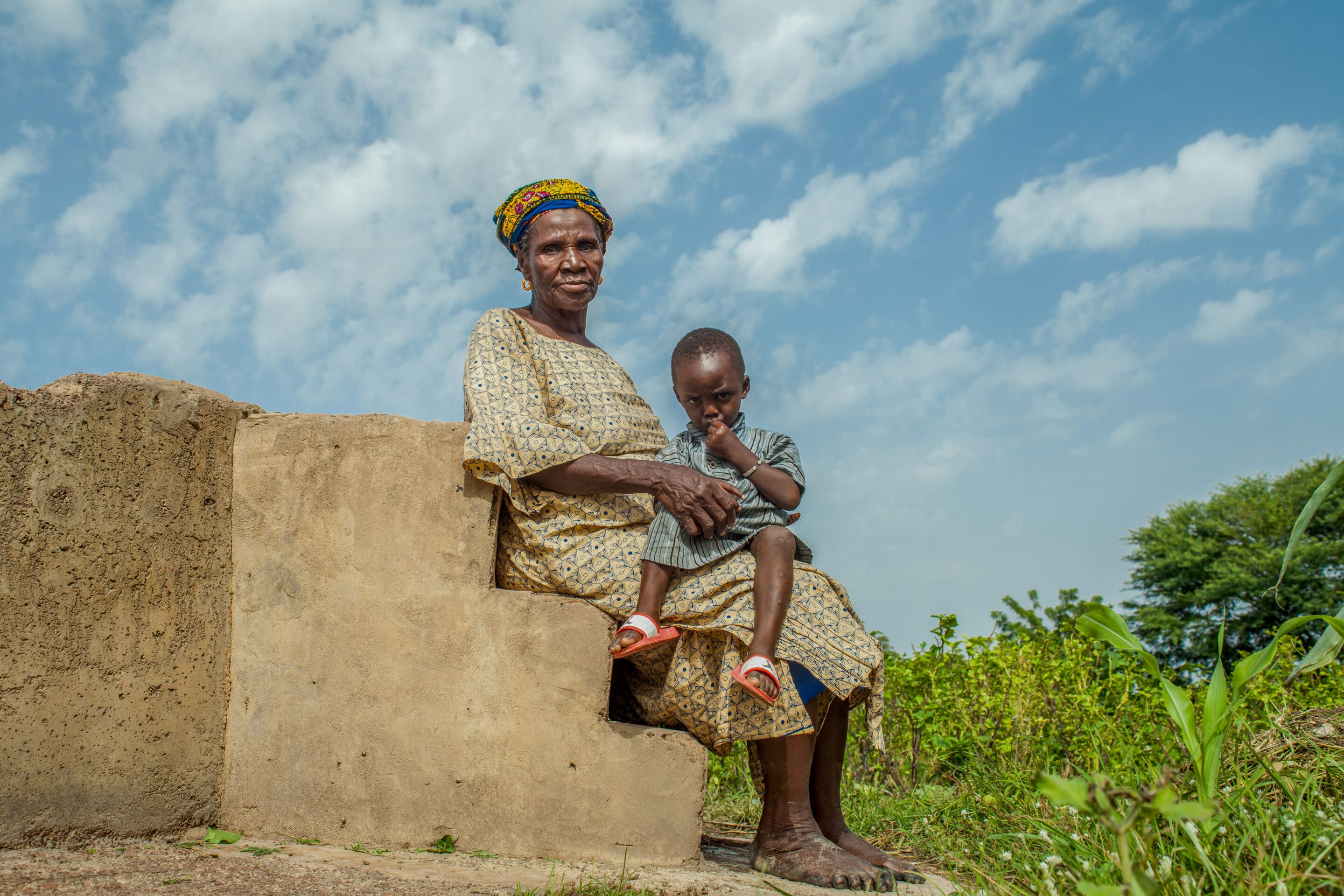
Geres has been working in Mali since 2007 in the areas of access to energy in rural areas and the promotion of renewable energies in the regions of Sikasso, Ségou, Kita, Kayes, and Koulikoro.
Through the implementation of various action research and development programs in partnership with local stakeholders, Geres has developed in-depth knowledge of the territories and the energy issues at stake. Among the flagship initiatives of the past fifteen years, the following are particularly noteworthy:
- Actions contributing to rural electrification, particularly for productive uses, in collaboration with decentralized service operators.
- Actions focused on energy efficiency in cooking, targeting urban households and rural women, with the promotion of improved stoves.
- Actions to promote Jatropha agroforestry, including the integration of production into family farms, the production and use of short-chain agrofuels, particularly for the benefit of local millers, and finally the local use of by-products in organic fertilizers and/or dermatological soaps.
Geres is also strongly committed to supporting and strengthening the capacities of local actors to implement their initiatives in their territories. The creation of strategic partnerships with organizations that have expertise complementary to that of Geres allows us to go beyond access to energy. As a result, our projects respond more broadly to economic development issues, but also to the greater inclusion of vulnerable groups, such as women and young people.
Geres’ projects in Mali
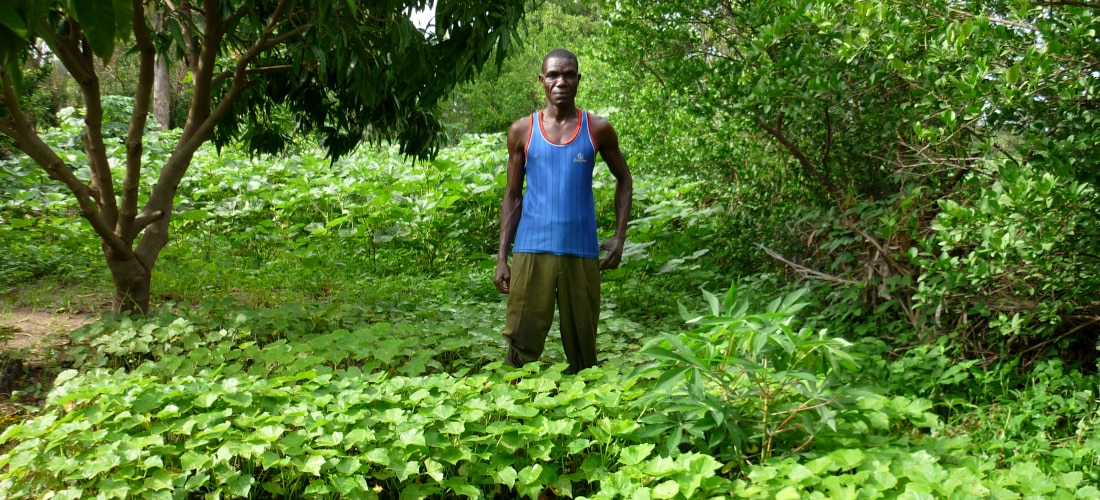
Geres news in Mali
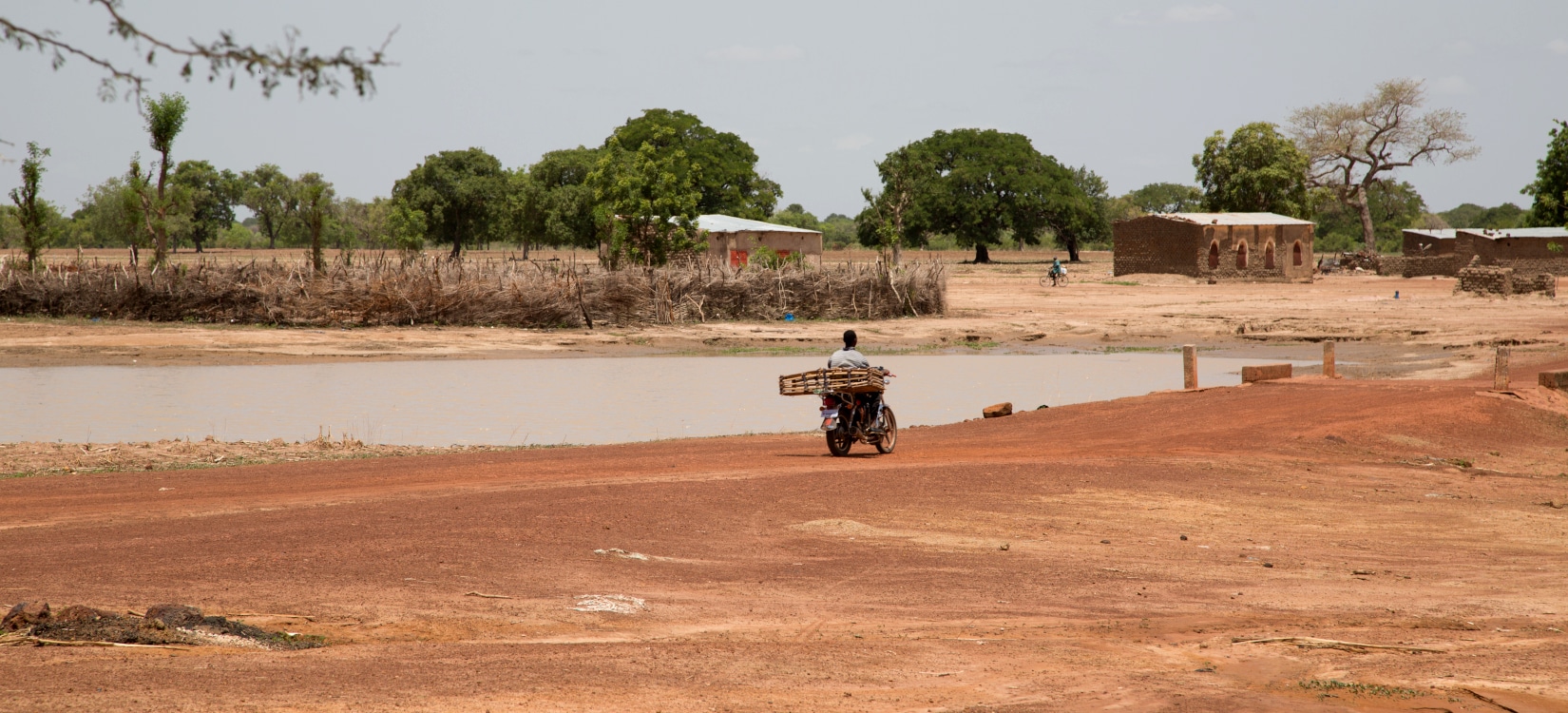
In Mali, the Green Business Areas are united around a social enterprise: Green Biz Africa
Geres has joined forces with Malian entrepreneurs to found the social enterprise Green Biz Africa (GBA). Its ambition? To perpetuate ...
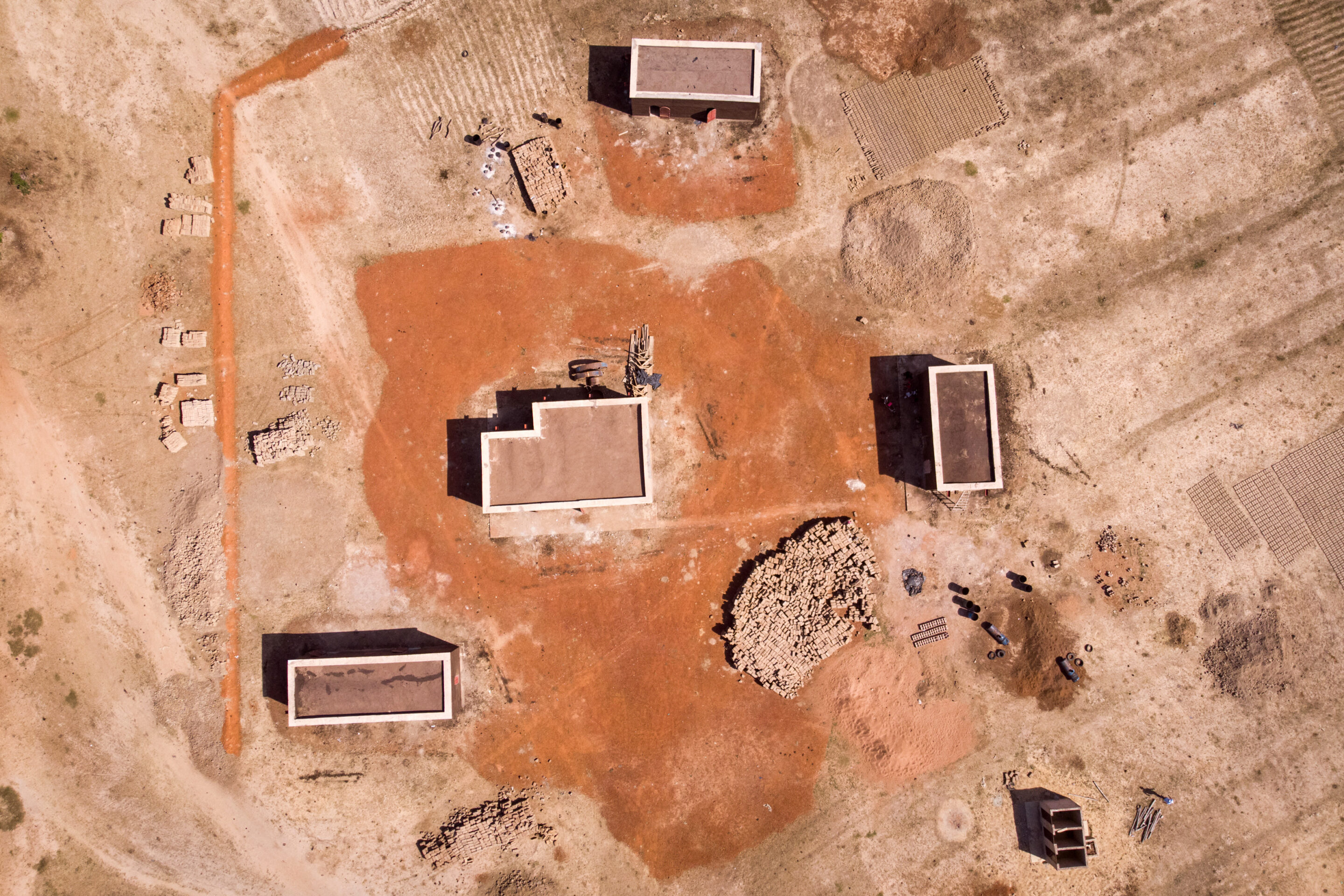
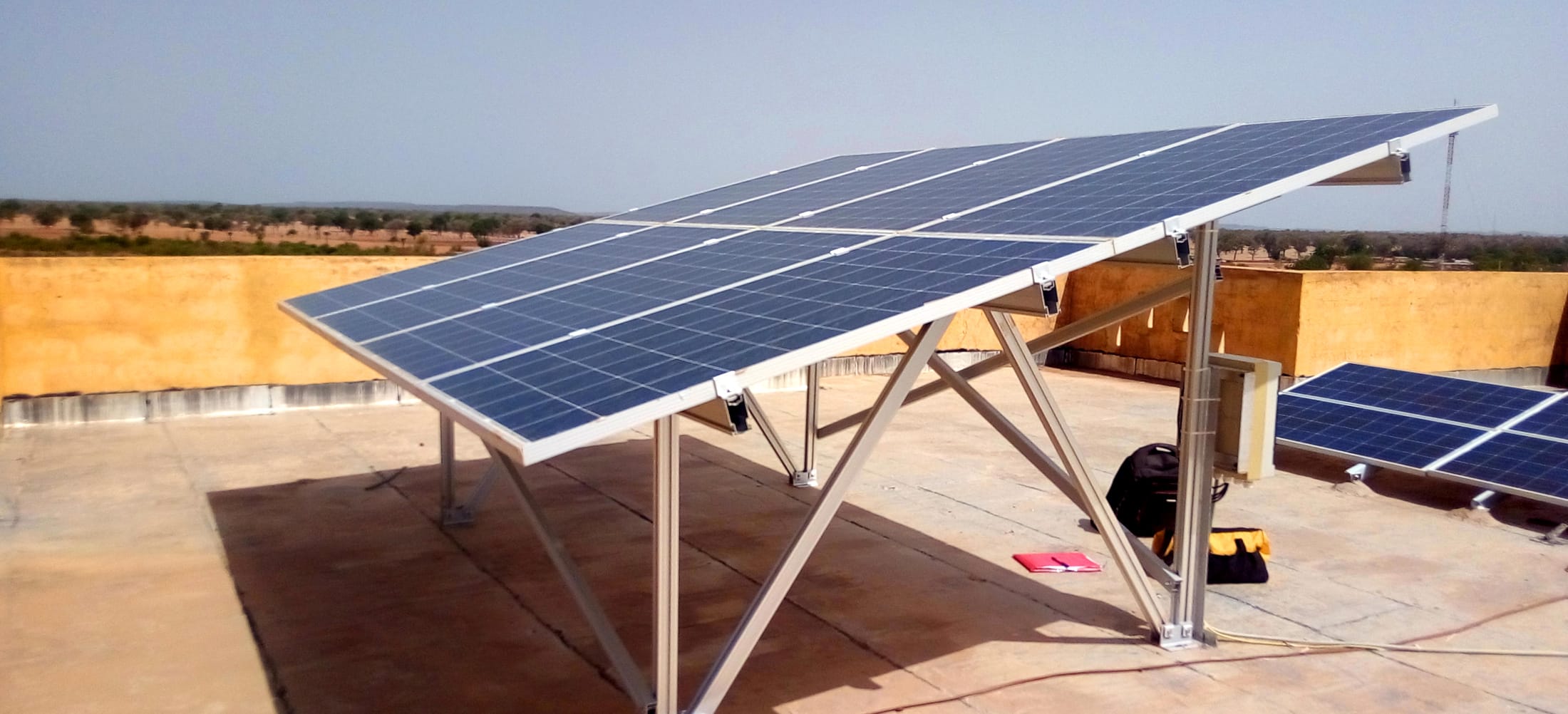
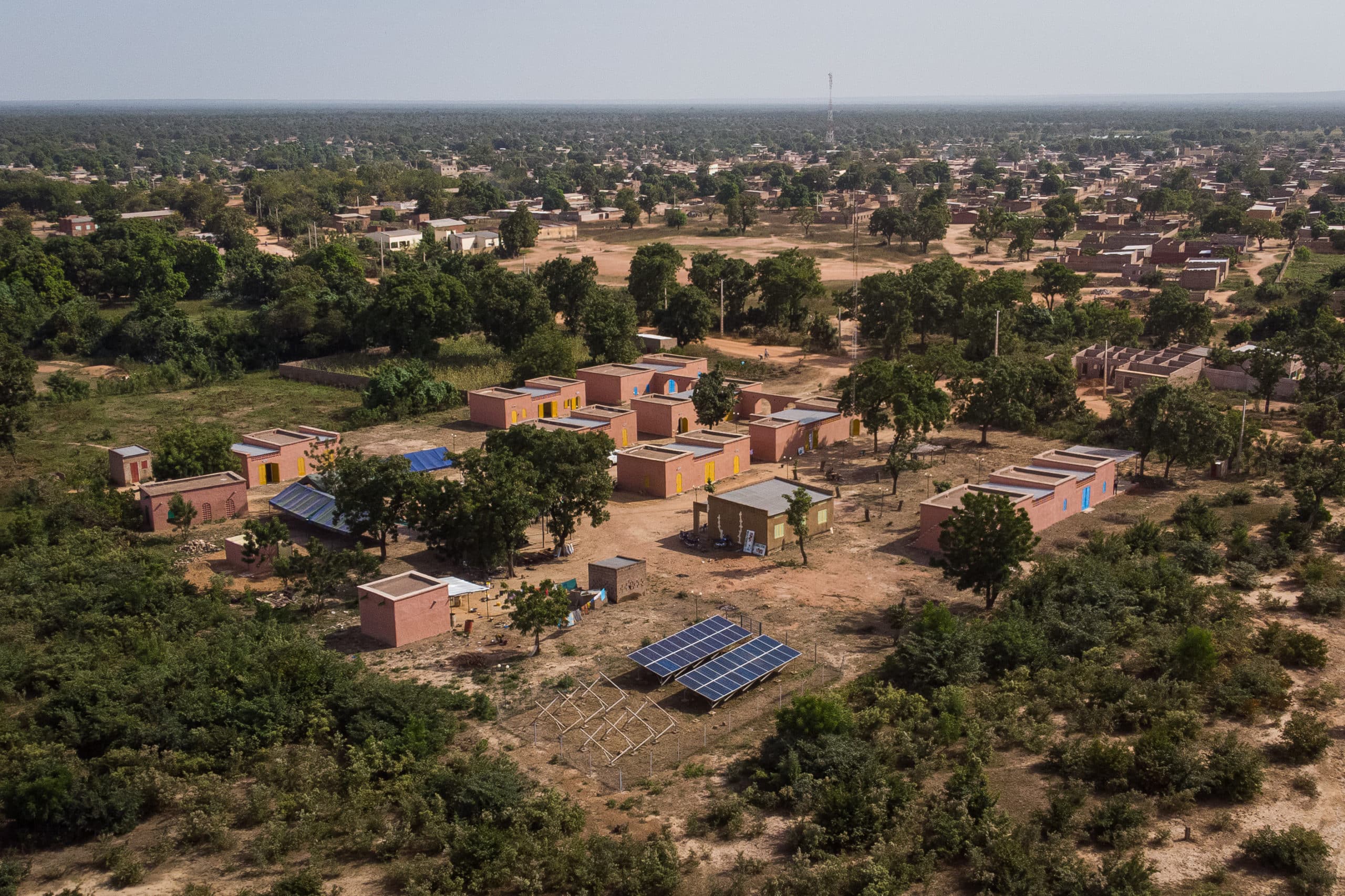
Geres in Mali inaugurates two Green Business Areas in Moro-Moro and Diaramana
Renewable energy 24 hours a day to encourage micro-entrepreneurship in rural areas is now possible in Moro-Moro and Diaramana in Mali. ...
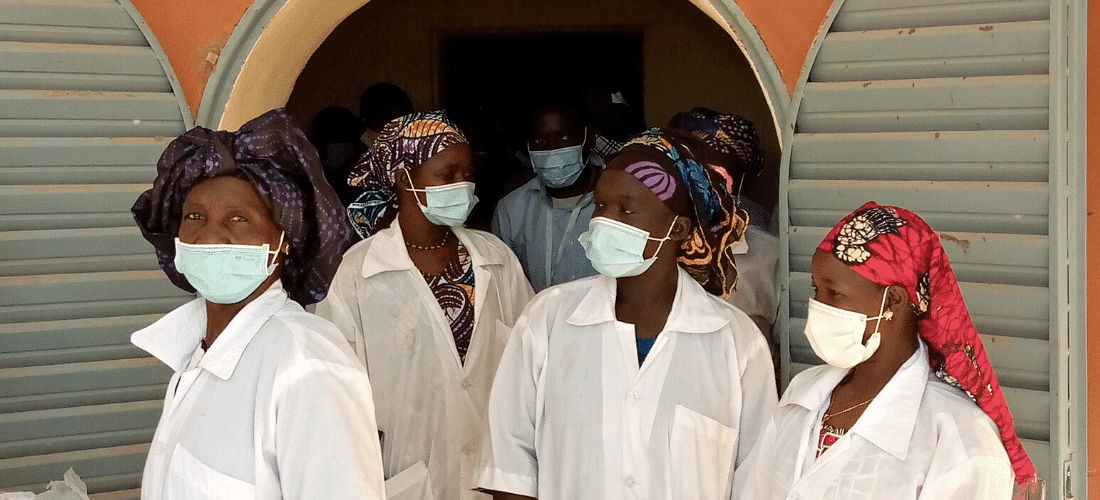
New project in Southern Mali aims at improving access to health services
The Covid-19 pandemic has severely affected Mali in 2020 while the country's health system was already weak. With the support of the ...
WOULD YOU LIKE TO TAKE ACTION
AND SUPPORT WHAT WE DO?
Tell us who you are and find your means of action.